The Most Common Septic Problems Homeowners Face
Homeowners facing common septic problems often need repairs or replacements, and local contractors can help resolve these issues efficiently and effectively.
Homeowners who rely on septic systems often encounter common issues that can disrupt daily life and lead to costly repairs if not addressed promptly. Understanding the most frequent septic problems can help property owners recognize early warning signs and seek timely assistance. Whether it’s unusual odors, slow drains, or backups, these issues are signals that professional septic repair or replacement services may be needed. Local contractors who specialize in septic systems are equipped to diagnose and resolve these problems efficiently, helping to maintain a healthy and functional system.
Exploring this topic is especially relevant for property owners in areas where septic systems are a primary waste management solution. Regular maintenance and prompt repairs can prevent more serious issues down the line, saving time and money. Local service providers offer the expertise necessary to handle septic replacements or repairs, ensuring the system operates smoothly and reliably. Keeping informed about the common septic problems homeowners face can empower property owners to take proactive steps and connect with the right professionals when needed.
- Septic tank replacement - needed when a septic system fails or shows signs of significant damage, and local contractors can handle the removal and installation of a new tank.
- Septic tank repair - required when issues like leaks, backups, or drain field problems occur, with service providers diagnosing and fixing the underlying causes.
- Drain field replacement - necessary if the drain field becomes saturated or fails, and local pros can evaluate and install a new drain field system.
- Pump replacement - needed when the septic pump malfunctions or stops working, with technicians replacing or repairing pumps to restore system function.
- Leach field repair - needed when wastewater isn't properly dispersing, and local contractors can perform repairs or replacements to restore proper drainage.
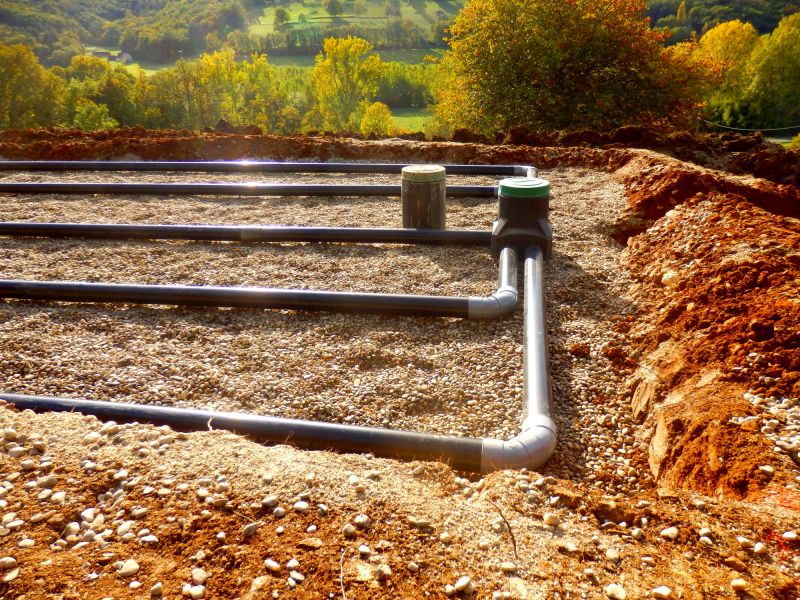
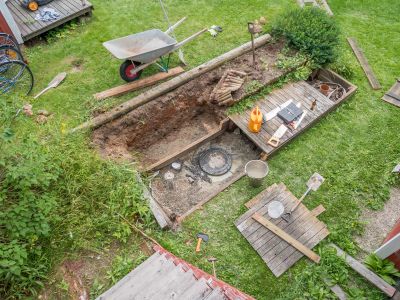
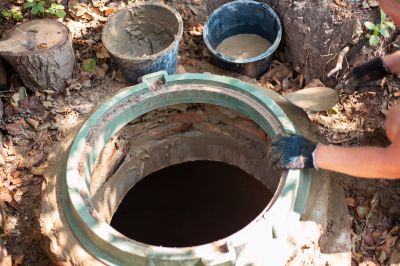
The most common septic problems homeowners face often stem from issues with the septic system’s ability to properly treat and dispose of wastewater. Many people searching for this topic are concerned about signs like foul odors around their property, slow-draining sinks, or backups in toilets and drains. These symptoms typically indicate underlying problems such as a failing drain field, clogged or damaged pipes, or a septic tank that is no longer functioning efficiently. Understanding these common issues helps homeowners recognize when professional inspection or repair might be necessary, and it highlights the importance of working with experienced service providers who can diagnose and address these problems effectively.
Septic system problems are frequently related to the age and condition of the system, as well as how well it has been maintained over time. For example, overloading the system with excessive water use or flushing inappropriate materials can lead to system failure. Common repair plans include replacing a damaged septic tank, repairing or upgrading the drain field, or clearing out blockages that restrict flow. These issues can cause wastewater to surface on the property or seep into the soil, creating health hazards and property damage. Local contractors specializing in septic replacement or repair can evaluate the specific situation and recommend the most suitable solutions to restore proper function.
The types of properties affected by septic system problems vary, but they are most often found on rural homes, farms, or properties that are not connected to municipal sewer lines. These properties typically rely solely on their septic systems for wastewater management. Homes with larger families or those with older systems are more prone to experiencing septic issues, especially if maintenance has been neglected. Additionally, properties with inadequate space for proper drain field installation or those built on challenging soil conditions may face unique challenges. Service providers familiar with these property types can help assess the system’s condition and recommend appropriate repairs or replacements to ensure reliable wastewater treatment.
Understanding the common septic problems homeowners face helps clarify how local service providers fit into the process of maintaining or restoring a septic system. Whether it’s replacing a failing tank, repairing a damaged drain field, or clearing out stubborn clogs, these professionals bring the expertise needed to handle a range of issues. They can evaluate the specific needs of each property, recommend suitable repair or replacement plans, and ensure the system operates efficiently. Connecting with experienced contractors is a practical step for homeowners who want to address septic problems promptly and prevent more serious issues from developing in the future.
Drain field installation - Installing or repairing drain fields involves similar planning and excavation skills as septic system repairs, requiring knowledge of soil conditions and proper layout.
Septic tank pumping and cleaning - Regular pumping tasks require understanding of septic system components and proper handling of waste, making it related to septic repair and maintenance projects.
Leach field repair services - Addressing leach field issues involves excavation and soil assessment skills comparable to septic system repairs to ensure proper drainage.
Septic system inspections - Conducting inspections involves evaluating system components and identifying problems, which aligns with diagnosing septic issues homeowners face.
Septic tank replacement - Replacing a septic tank shares planning, excavation, and installation skills with septic repair projects to ensure system longevity.
Drainage system upgrades - Improving drainage around a property involves similar site assessment and excavation techniques used in septic system repairs.
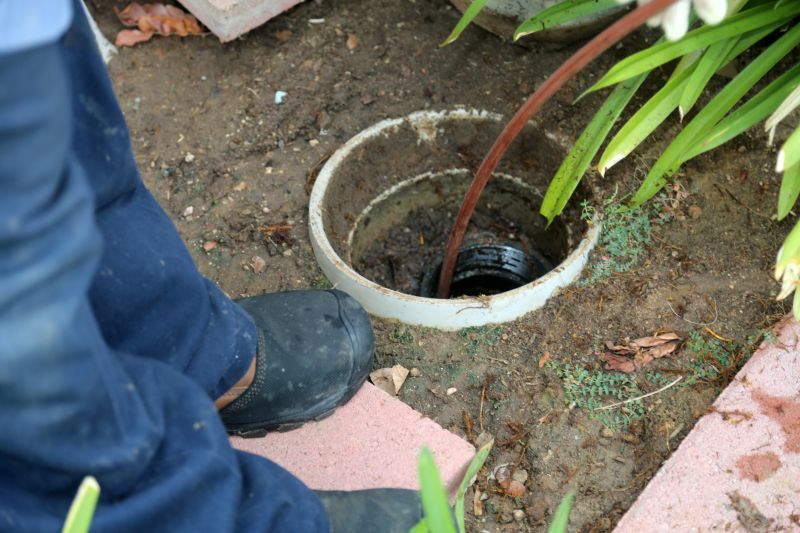
When evaluating service providers for septic replacement or repair, it is important to consider their experience with similar projects. Homeowners should inquire about the contractors’ background in handling septic system issues comparable to their own, such as addressing common problems like backups, leaks, or drain field failures. A contractor with a history of successfully resolving these types of issues is more likely to have the practical knowledge needed to diagnose and fix the problem efficiently. This experience can help ensure that the repair or replacement process is smooth and that the work performed is appropriate for the specific septic system concerns.
Clear and detailed written expectations are essential when comparing local contractors. Homeowners should seek service providers who can provide comprehensive estimates that outline the scope of work, materials to be used, and any necessary preparations or follow-up steps. Having a well-defined plan helps prevent misunderstandings and ensures that both parties are aligned on what the project entails. It also allows homeowners to compare proposals more accurately, making it easier to identify the most suitable contractor for addressing their septic problems effectively.
Reputable references and strong communication are key factors in selecting the right service provider. Homeowners are encouraged to ask for references from previous clients who had similar septic issues resolved. Contacting these references can provide insights into the contractor’s reliability, quality of work, and how well they communicate throughout the project. Good communication involves timely updates, clear explanations of the work involved, and responsiveness to questions or concerns. Choosing a contractor who demonstrates transparency and professionalism can lead to a more positive experience and a successful resolution of the most common septic problems homeowners face.
Property owners often search for the most common septic problems homeowners face when they are planning practical projects around their homes and businesses. Local pros provide Septic Replacement or Repair services for everyday jobs and straightforward project options.
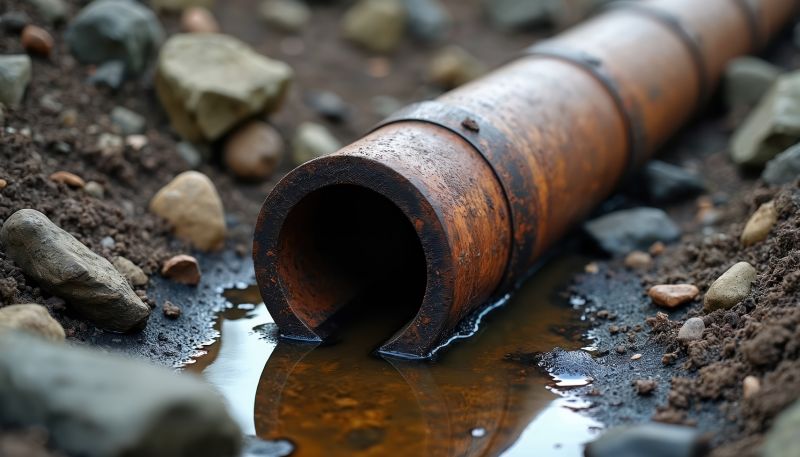
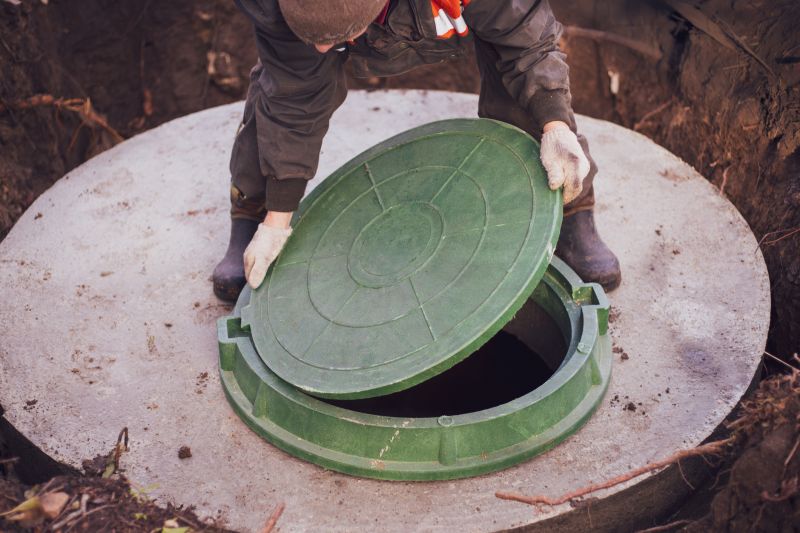
Homeowners often encounter common septic problems that can disrupt daily routines, such as unpleasant odors, slow-draining toilets, or backups in the plumbing system. These issues are typically signs of underlying problems with the septic tank or drain field, which may require professional inspection and maintenance. Property owners in the area who notice these symptoms might look into septic repair or replacement services to address the root cause and prevent further damage, ensuring the system functions properly and avoids costly repairs down the line.
In many cases, simple causes like a clogged or failing drain field, a full septic tank, or minor pipe blockages can lead to these frequent issues. When these problems persist, it might be necessary to consider more extensive repairs or even septic system replacement. Local contractors specializing in septic services can evaluate the situation, recommend appropriate solutions, and handle the necessary work to restore proper operation. Homeowners searching for reliable septic services can find experienced service providers ready to assist with diagnosing and fixing these common septic problems.
What are common signs of septic system failure? Homeowners often notice slow drains, unpleasant odors, or sewage backups, which indicate potential septic problems that may require repair or replacement services from nearby contractors.
Why does my septic system keep clogging? Frequent clogs can result from excessive solid waste, improper use of chemicals, or a failing drain field, and local service providers can assess and resolve these issues.
How can tree roots affect my septic system? Tree roots can invade and damage septic lines, leading to leaks or blockages, which can be addressed by experienced septic repair specialists.
What causes septic system odors to become strong? Strong odors often stem from a full tank, broken venting, or system leaks, and professional contractors can diagnose and fix these problems.
When should I consider replacing my septic system? Replacement may be necessary if the system is extensively damaged, failing to function properly, or if repairs are no longer effective, with local contractors able to provide options and solutions.
Drain field issues - Homeowners experiencing standing water or odors can seek local contractors to evaluate and repair or replace failing drain fields.
Clogged or backed-up tanks - Persistent backups or slow drains may require septic tank pumping or repairs, which local service providers can handle efficiently.
Tree root intrusion - Roots infiltrating the septic system can cause blockages; local pros can perform inspections and necessary repairs or replacements.
System aging and wear - Over time, septic systems may need replacement due to deterioration, and local contractors can assist with proper upgrades and installations.
If you are thinking about the most common septic problems homeowners face for a property, this guide is meant to help you understand this topic, the typical project types, and how different options might fit your plans.
When you are ready, you can use the quote form on this page to share a few details about your project. From there, local pros can review the basics and follow up with options that match what you have in mind.